Comprehensive capital asset renewal plan for Port Milwaukee
After a volatile winter storm brought high winds, towering waves, and flooding that caused millions in damage at Port Milwaukee, a strategic plan to address the challenges presented by lake-level volatility, shoreline erosion, and aging waterfront structures was needed. At the same time, Port Milwaukee was experiencing an increase in annual tonnage and cruise ship activity, and was in the process of expanding, including construction of an agricultural maritime export facility.
Port Milwaukee engaged Ramboll to assess the strategic maintenance and replacement of port facilities, assets, and related infrastructure. We developed a long-term strategic plan for asset renewal that positioned the port for future growth.
A framework for resiliency
Our work at Port Milwaukee started with a thorough and well-documented inspection and assessment of the port’s assets through multiple workshops with port leadership and staff to refine and deepen a shared understanding of the port’s objectives and existing asset information. Major categories of assets assessed included terminal buildings, warehouses, dock walls, piers, roadways, rail systems, utilities, and equipment such as cranes, vessels, and fleet vehicles.
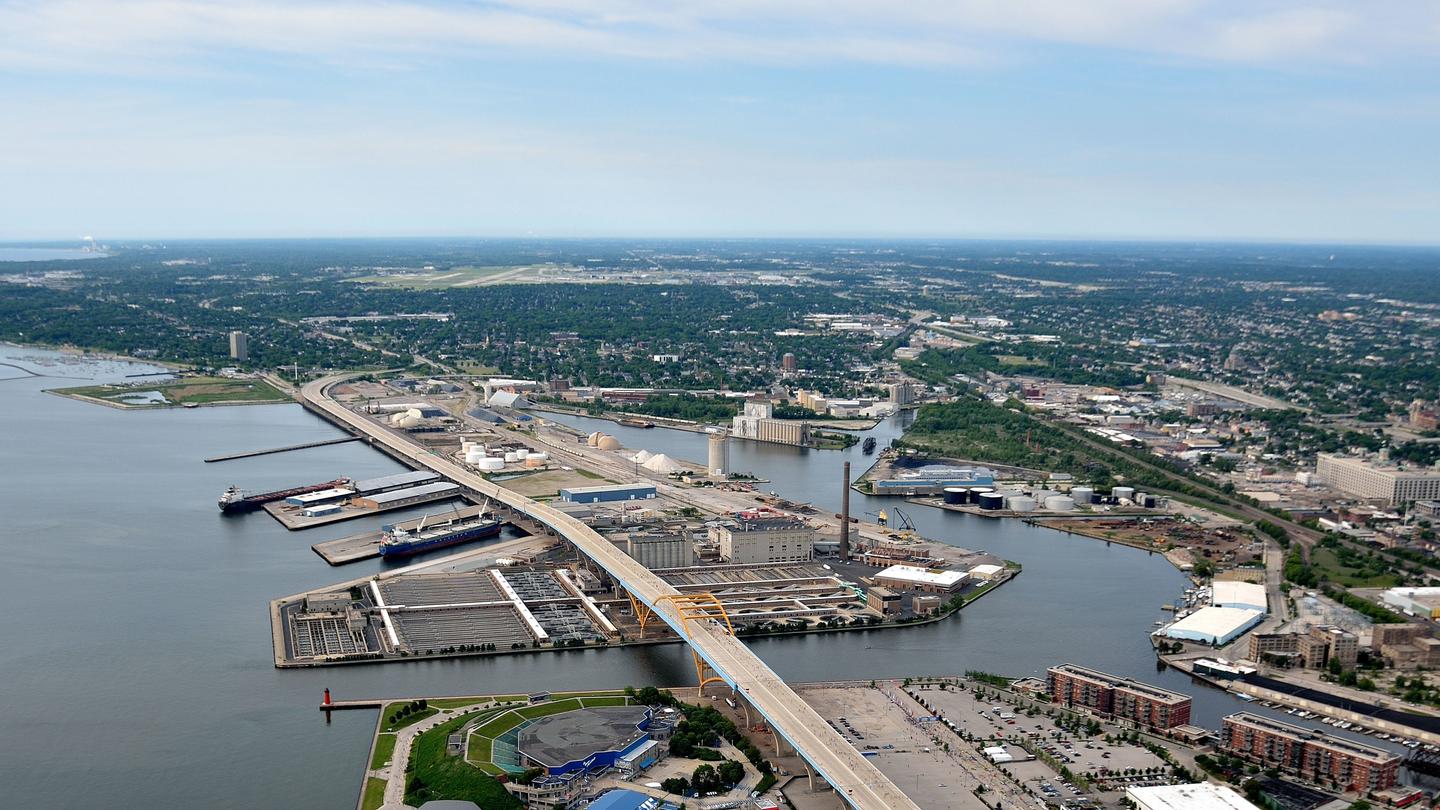
Once we understood the port’s needs and challenges, we called in our Galago team to provide data collection via a small unmanned aerial system (sUAS or drone) as part of the baseline conditions assessment. Through the aerial tour of the port, Galago gathered high-resolution and high-accuracy mapping of the site and created 3D models. The data and models helped guide decision-making and recommendations, leading to subsequent assessments.
These additional condition assessments helped Ramboll determine and finalize replacement costs, maintenance requirements, and remaining useful life of the port’s assets. We presented findings to project stakeholders, including port tenants, customers, near-port community members, and operators, which included a 10-year infrastructure renewal budget and maintenance schedule.
As follow-on work, we also developed a coastal resiliency framework and conducted an alternatives analysis that allows for the implementation of climate adaptation and resiliency measures throughout the life of the port. Ramboll provided designs of port infrastructure that could incorporate coastal resiliency through green ways/public amenities.
A platform for growth, competitiveness, and workforce stability
By advancing shoreline protection, reinforcing critical assets, and planning for future conditions, Port Milwaukee has positioned itself to handle more vessels, strengthen its multimodal facilities, and attract new commercial tenants.
Today, Port Milwaukee is translating its long-term capital asset renewal strategy into measurable economic, operational, and community outcomes, supporting new terminal development, enhanced shoreline protection that align asset condition and funding strategies. These improvements have helped enable milestone projects, including the opening of the new export terminal, expanded breakbulk and project cargo activity, and sustained reinvestment in dockwalls, utilities, and multimodal systems critical to port reliability and competitiveness.
By pairing asset renewal with climate resilience, sustainability, and community engagement, Port Milwaukee is demonstrating how a disciplined, data-driven capital planning framework can support long-term growth, workforce stability, and more resilient waterfront, today and for decades to come.