Biodiversity and ecosystems
Rachel Esbenshade
December 9, 2025
Biodiversity and nature-based solutions for data centres: development and operational strategies
Explore how innovative solutions in data centre development and operation integrate biodiversity and nature-based solutions (NbS), providing net positive outcomes through economic, social and environmental benefits at every stage of the lifecycle.

First published in Environment Analyst’s Corporate guide: Delivering sustainable data centres.
Why biodiversity matters for data centres
As the demand for sustainable data centres grows, integrating biodiversity and nature-based solutions (NbS) is becoming essential for future-proofing development and operations. By prioritising biodiversity, data centre leaders can reduce environmental impact, streamline permitting, and enhance operational efficiency, while also supporting community acceptance and employee wellbeing. This article explores how biodiversity strategies for data centres and tailored NbS strategies can be embedded across the lifecycle to deliver long-term value for businesses, communities and the environment.
What are nature-based solutions (NbS)?
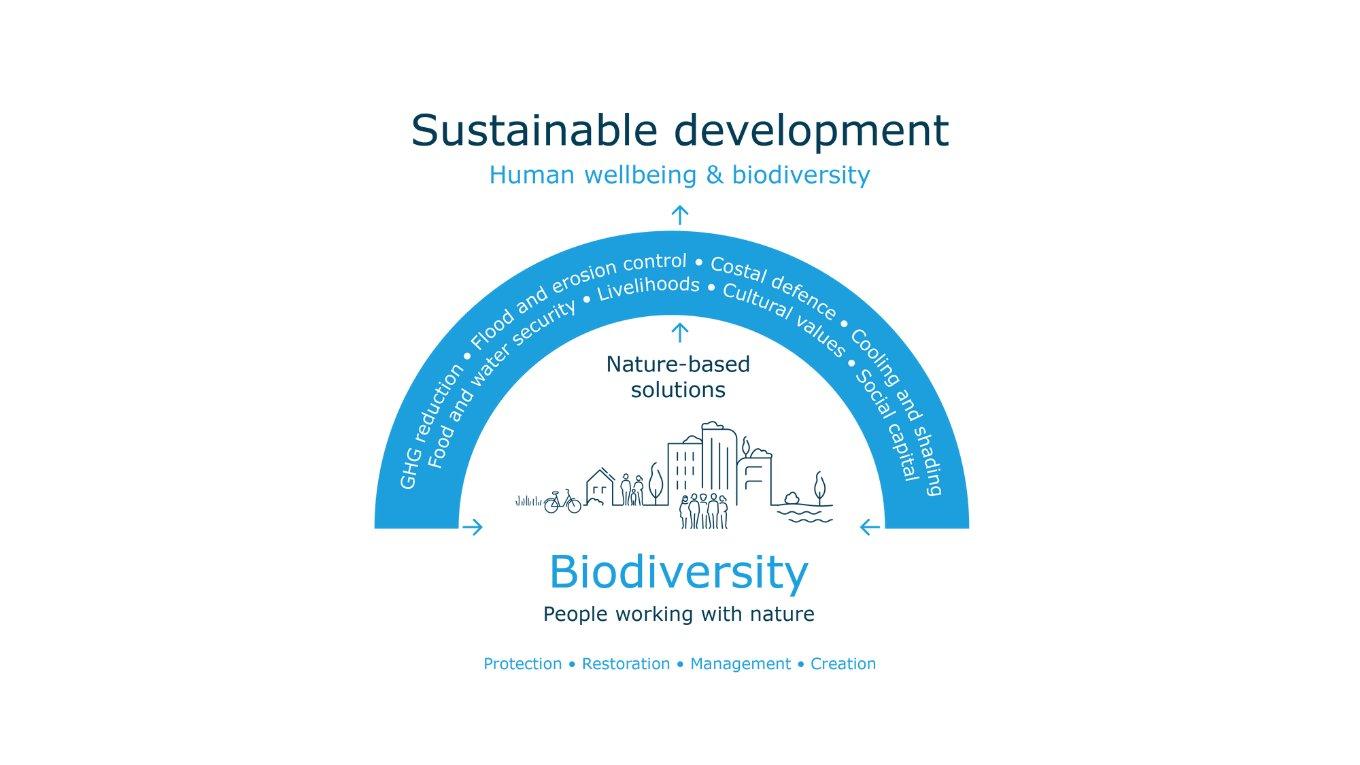
Figure 1. NbS can tackle challenges on data centre sites, with biodiversity and social benefits. Image adapted from IUCN 2016.
NbS use natural systems to address environmental, social and operational challenges. For data centres, NbS might include restoring native habitats, creating green buffers, managing water through wetlands, or reintroducing natural landforms to regulate temperature and reduce erosion. These approaches not only provide the same site functions as engineered solutions but also offer additional benefits for people and the environment. Biodiversity underpins the effectiveness of NbS, as diverse ecosystems deliver essential services like soil stability, water retention and pollination. Investing in NbS supports local biodiversity, which in turn enhances the performance and resilience of data centre sites.
Managing impacts: avoidance, minimisation and restoration
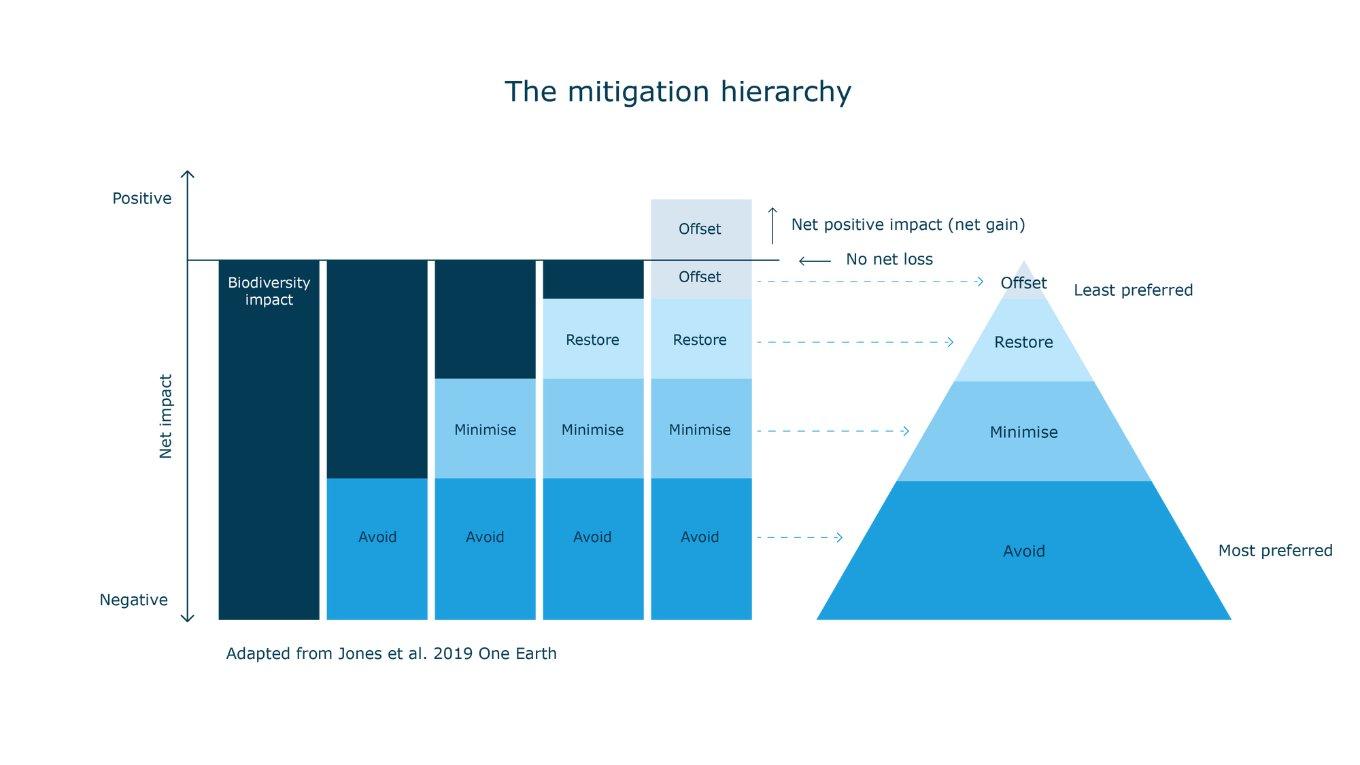
Figure 2. The mitigation hierarchy structures site decisions around biodiversity.
The most effective way to protect biodiversity is to avoid causing damage. During site selection, this means choosing locations with lower ecological value and adjusting design layouts to preserve priority habitats. When impacts cannot be avoided, they should be minimised through careful planning, such as reducing the development footprint or optimising equipment placement. Restoration – such as replanting native species or rehabilitating ecosystems – should be considered when avoidance and minimisation are not possible. Regulatory frameworks like biodiversity net gain (BNG) may require companies to offset residual impacts, but offsets should be a last resort.
What are effective NBS approaches for reducing environmental impact in data centres?
Site selection stage:
Early screening using biodiversity metrics and conservation maps helps identify sites with lower biodiversity value, reducing risks and permitting constraints. Selecting previously developed or degraded land can simplify approvals and create opportunities for environmental enhancement. Thoughtful site design, including habitat restoration, can help achieve biodiversity net gain or net loss avoidance, especially where baseline biodiversity is low.
Site layout and design stage:
Early consideration of biodiversity during planning and design reduces risk and enhances value. Identifying and preserving environmental hotspots—such as wetlands or native vegetation—can prevent costly redesigns and build trust with regulators and communities. Biodiversity metrics provide a transparent way to compare site options and guide decisions that minimise ecological impact. Nature-based design features, like bioswales and forested buffers, can replace traditional infrastructure, offering operational benefits and addressing community concerns.
Construction stage:
Nature-positive construction methods, such as limiting vegetation clearance, controlling erosion, and managing pollution, help maintain healthy ecosystems. Buffer zones with native species reduce dust and noise, while timing construction to avoid sensitive wildlife periods demonstrates environmental responsibility. Using repurposed materials and recycling construction waste supports circular economy principles and reduces habitat loss.
Operation and maintenance stage:
Sustainable operational practices—like using renewable energy, water-efficient cooling, and waste heat recovery—reduce pressure on local ecosystems. NbS such as green roofs, living walls, and rainwater harvesting systems improve resource efficiency and provide habitats for pollinators and birds. Engaging local stakeholders in biodiversity initiatives builds trust and creates shared value, supporting the social licence to operate.
Best practices for integrating biodiversity considerations into data centre design and operation
- Tailored solutions: NbS must be adapted to the specific operational, ecological, and social context of each site. Using native habitats and tracking improvements with biodiversity metrics ensures meaningful benefits.
- Collaboration: Positioning NbS as opportunities for innovation and resilience encourages buy-in from project teams and stakeholders.
- Monitoring and management: Ongoing monitoring and adaptive management are essential to ensure NbS continue to deliver intended benefits over time.
The business case for biodiversity and NbS
Integrating biodiversity and NbS into data centre projects is a strategic investment. These approaches help mitigate risks such as permitting delays, flooding, and public opposition, while unlocking operational efficiencies, regulatory advantages, and long-term cost savings. By working with nature, data centres can improve return on investment, enhance site performance, and protect the natural capital that underpins business operations. This approach positions data centres to deliver on sustainability commitments with lasting financial and reputational value.
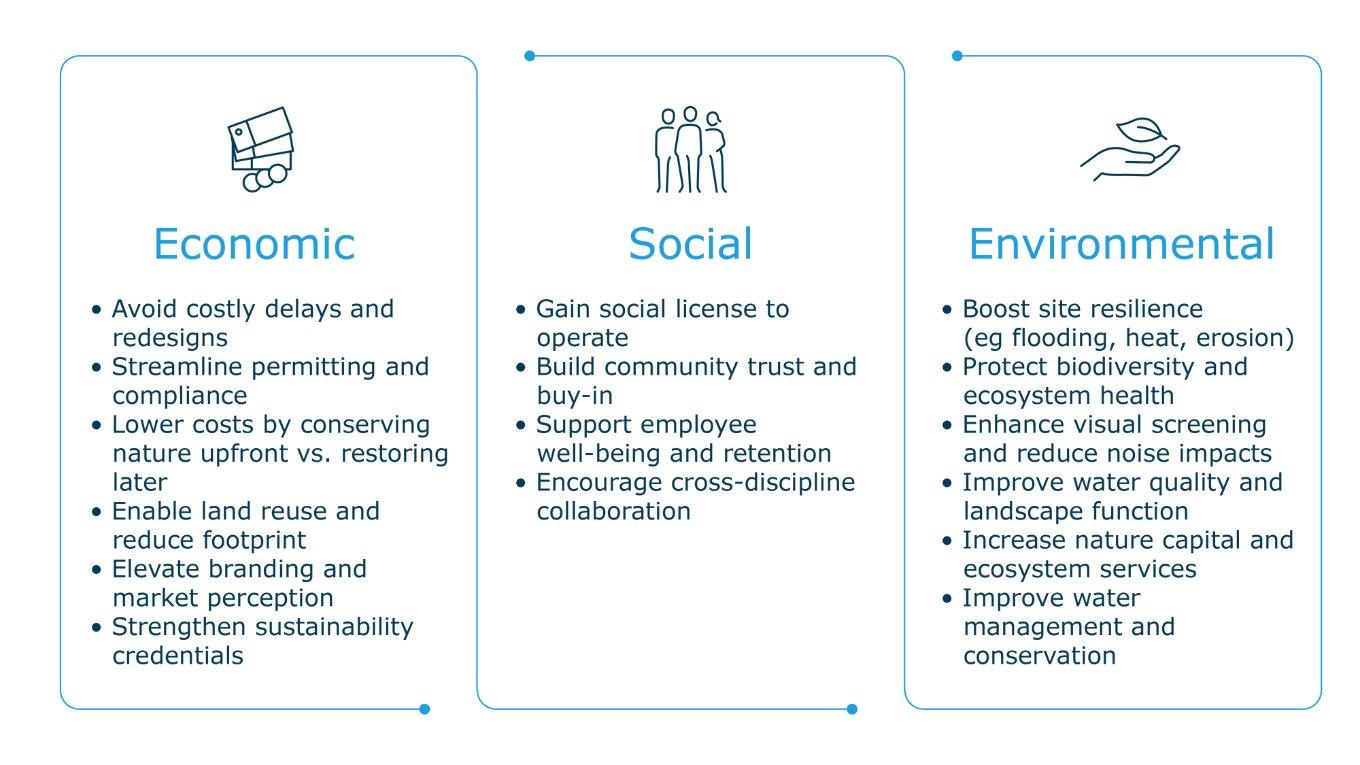
Figure 3. Summary of benefits and risk mitigation opportunities
How Ramboll can help
Ramboll offers a comprehensive suite of services to support sustainable data centre development and operation.
Our expertise includes:
- Biodiversity strategy and science-based targets for nature: Developing nature-positive strategies and setting measurable, science-based targets aligned with leading frameworks.
- Site selection and environmental screening: Identifying optimal sites with lower biodiversity value, fewer environmental constraints and reduced permitting risk.
- Biodiversity metrics, mapping and net gain for development: Applying robust biodiversity metrics, spatial mapping and biodiversity net gain principles to guide site selection, master planning and project design.
- Natural capital assessments and accounting: Quantifying ecosystem services and natural capital to inform investment decisions, risk management and long-term value creation.
- Nature-based solutions and ecological restoration: Designing and implementing NbS such as green roofs, bioswales, habitat corridors and restoration projects to enhance resilience and biodiversity outcomes.
- Regenerative design for buildings and landscapes: Integrating regenerative principles into building and landscape design to restore ecological function and improve site performance over time.
- Sustainable construction practices: Advising on low-impact, nature-positive construction methods that minimise disturbance and support healthy ecosystems.
- Nature risks in value chains, operations and portfolios: Identifying and managing nature-related dependencies, risks and opportunities across supply chains, sites and asset portfolios.
- Pollution and ecological risk assessment: Assessing chemical, physical and biological stressors to evaluate ecological risk and inform mitigation and remediation strategies.
- Corporate sustainability reporting for biodiversity and ecosystems: Supporting disclosures and reporting (e.g. biodiversity, ecosystems, nature-related risks) in line with emerging regulations and voluntary frameworks.
- Operational efficiency and resource optimisation: Integrating renewable energy, water-efficient cooling, circular resource use and waste heat recovery to improve performance while reducing environmental impact.
- Stakeholder engagement and partnerships: Facilitating engagement with communities, regulators, NGOs and other stakeholders to build trust, co-create biodiversity initiatives and communicate outcomes.
Want to know more?
Rachel Esbenshade
Consultant

RELATED INSIGHTS
Unprecedented growth in data centres presents challenges for environment. A new whitepaper from Ramboll addresses these concerns and provides a roadmap for net zero, sustainable data centres with a significantly reduced environmental impact.
How to use water wisely in data centres
Data centres
Data centres are the backbone of our global information infrastructure but can pose environmental challenges. We explore how data centres can use our precious water resources with care, ensuring operational resilience and positive impacts on local water resources.