Resilient societies and liveability
Stephen Horrax
27 January 2026
Time to Act: Meeting 2030 climate targets and business resilience through heat decarbonisation and system thinking
With just four years left to hit 2030 climate targets, it’s time to move beyond incremental change.

Over the past two decades, businesses have made bold commitments to reduce carbon emissions, often driven by public policy and stakeholder expectations. Early efforts focused on easily achievable actions, such as upgrading lighting, improving HVAC systems, and purchasing renewable energy certificates. These steps were commercially viable and policy-supported, but they only scratched the surface in materially reducing carbon.
Now, with 2030 fast approaching, organisations face a more complex and urgent challenge. The stakes are higher, with short-term carbon targets embedded in ESG frameworks and scrutinised by investors, regulators, and the public. The time for incremental change is over. Businesses must act decisively to deliver systemic transformation whilst also putting an increased focus on energy resilience.
2030 is no longer a dot on the horizon
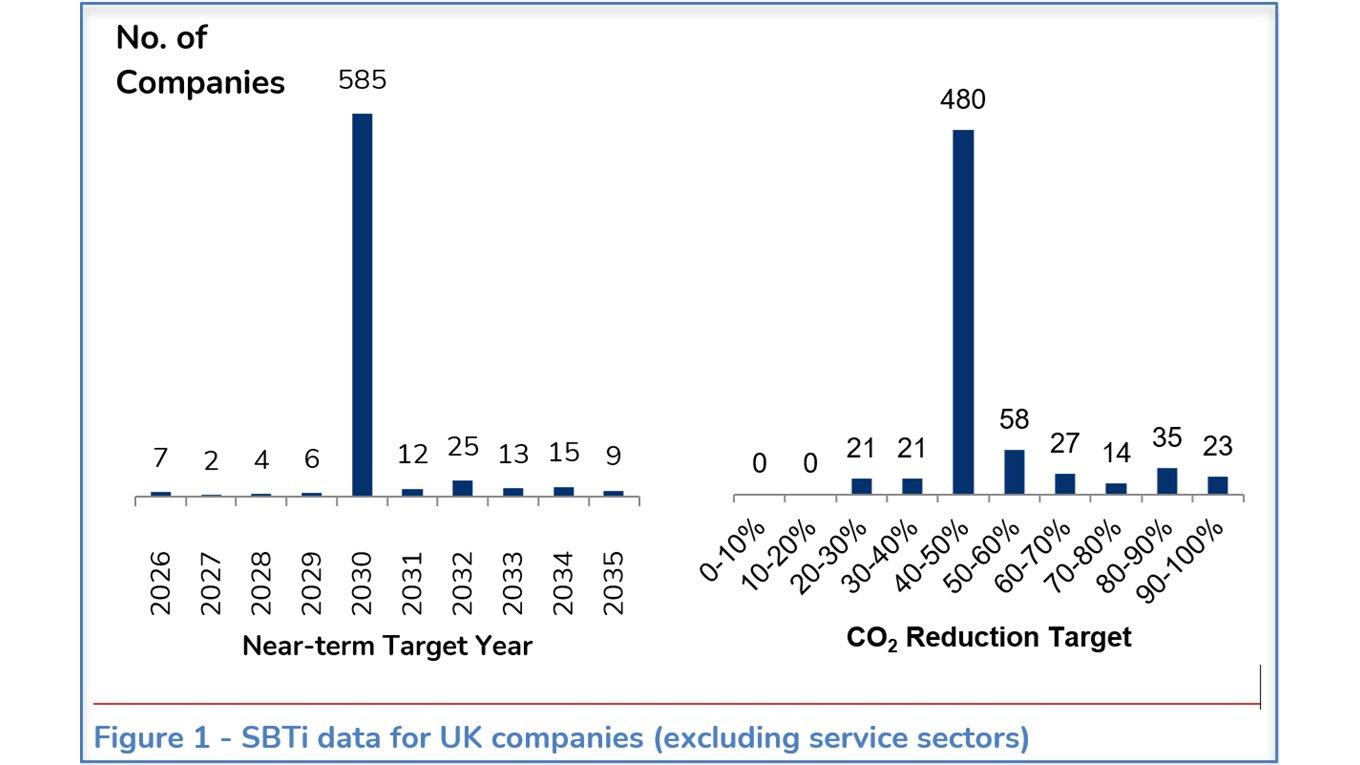
The Science Based Targets Initiative (SBTi) has seen over 10,000 companies commit to net zero. In the UK, 86% of non-service sector firms selected 2030 as their near-term target year, with 71% aiming to reduce emissions by 40–50%. Achieving this within four years requires informed, committed action at pace and scale—often across entire portfolios.
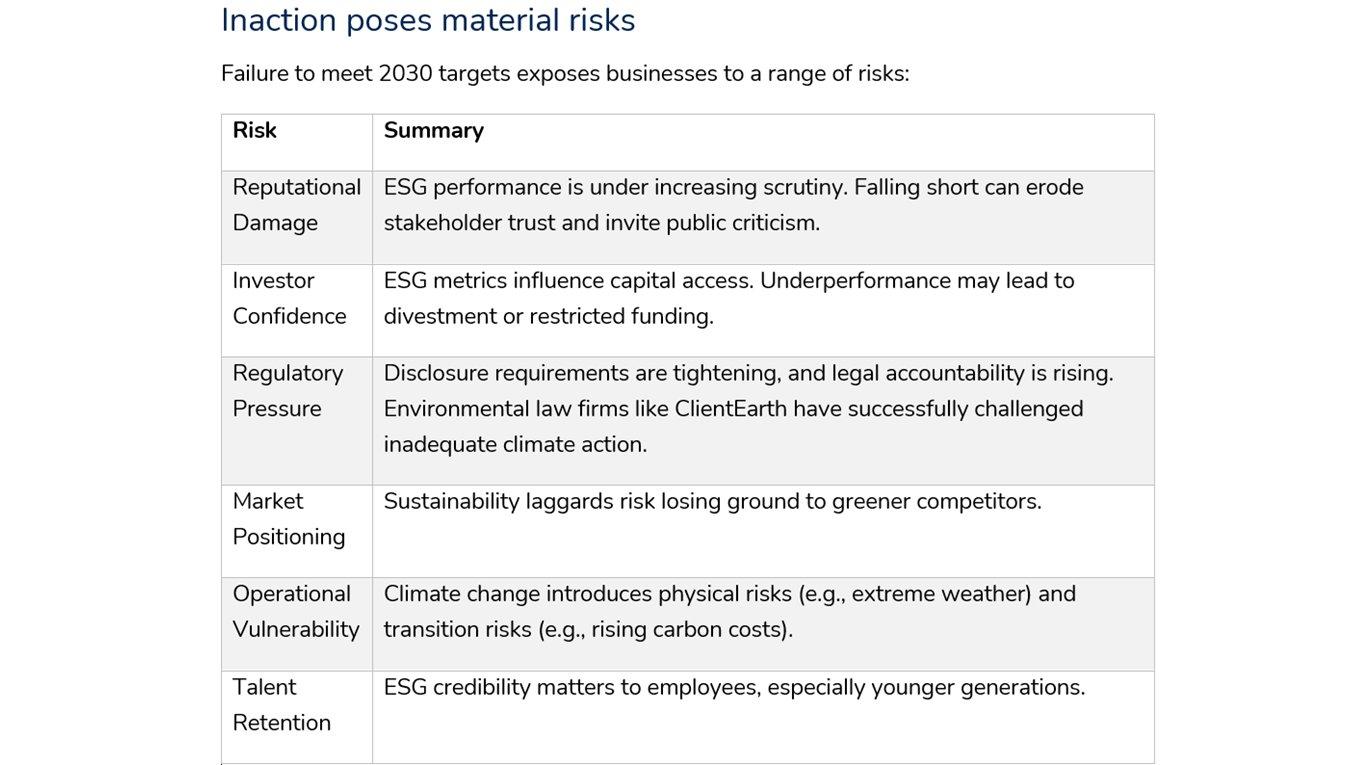
Yet many organisations are falling behind. The energy transition has gained momentum, but maintaining focus amidst economic volatility is challenging. Delays in execution risk reputational damage, financial liabilities, and missed opportunities.
But aren’t net zero targets just becoming Hot Air?
Recent geopolitical developments have complicated the climate landscape. Some governments and corporations are softening or retracting their commitments. Media attention on climate skepticism and “energy populism” is emboldening leaders to delay difficult decisions.
Despite this, maintaining focus on 2030 targets remains strategically sound. Net zero alignment enhances resilience against policy swings, market disruptions and the wider energy system. Consumer demand for sustainability continues to grow, and climate leadership attracts talent, capital, and loyalty.
Policy Support Remains Strong
Contrary to the populist narrative, policy support for energy transition is still robust. The UK’s Modern Industrial Strategy includes the British Industrial Competitiveness Scheme, aiming to cut electricity costs for key manufacturing sectors by £35–40/MWh from 2027. For the EU, the €1 billion Innovation Fund 25 will support deployment of heat pumps and clean technologies in industry. These schemes will improve the economic viability of industrial electrification.
Electrification - the key to decarbonising heat
Most organisations have made substantive progress on Scope 2 emissions. Now, the challenge lies in Scope 1, particularly industrial heat. Processes like drying, pasteurising, and chemical transformation still rely heavily on fossil fuels, especially natural gas.
Electrifying heat is critical. Industrial heat pumps are emerging as the most promising low carbon solution for low-temperature (<200°C) processes. They offer 3–5x efficiency gains over gas boilers and, when powered by clean electricity, can eliminate Scope 1 emissions.
Far from a ‘quick fix’
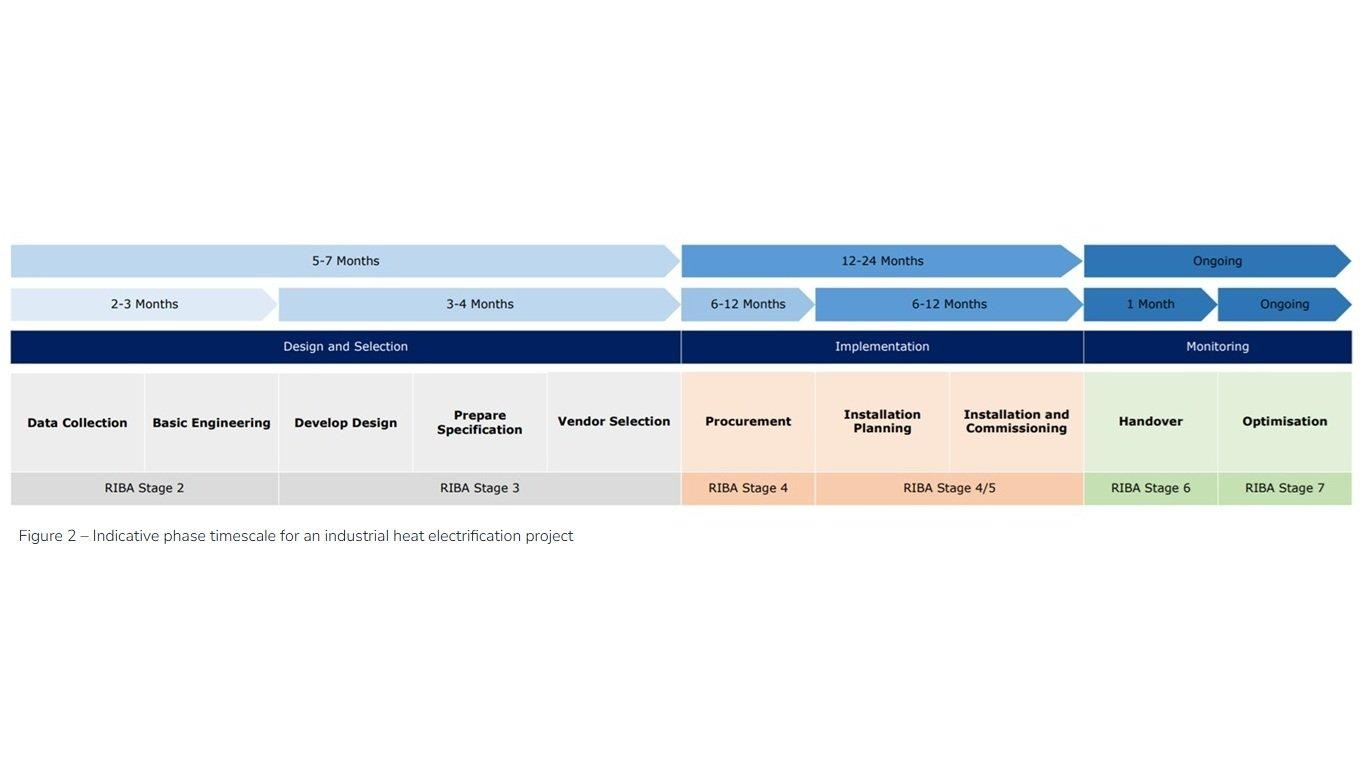
Delivering an industrial heat pump project can take as long as 2.5 years (excluding grid upgrades). Organisations targeting 2030, need to act now to assess viability, costs, and integration pathways.
System Thinking: a route to accelerate towards Net Zero
Heat decarbonisation cannot be tackled in isolation. Heat, power, storage, and flexibility are increasingly interconnected. This is especially important when we consider changes in transport fleets, demands on energy networks (technically and economically) and digital opportunities to automate energy flows between generation and storage. Without a systems perspective, businesses risk solving one problem while creating new ones.
Leading companies are shifting away from project-by-project decarbonisation to an integrated energy strategy. These combine efficiency, flexibility, on-site generation, and operational innovation. The growing number of industrial electrification projects has demonstrated that a whole-system approach not only reduces carbon emissions but also increases energy resilience and enhances project economics, thereby strengthening the business case and attracting investment.
Time to Act
Organisations intent on meeting their 2030 climate targets must act swiftly and strategically. The era of isolated fixes and short-term wins is over. Success demands robust, integrated strategies that support long-term sustainability and resilient energy systems.
Delaying decisions risks reputational damage, stranded assets, and financial exposure. Only through coordinated efforts across engineering, finance, procurement, and operations can ambitious targets be achieved.
Is your business on track to meet its 2030 targets? The time to accelerate your decarbonisation strategy is now.
Want to know more?
Stephen Horrax
Director for Business Area, Energy, UK & Ireland